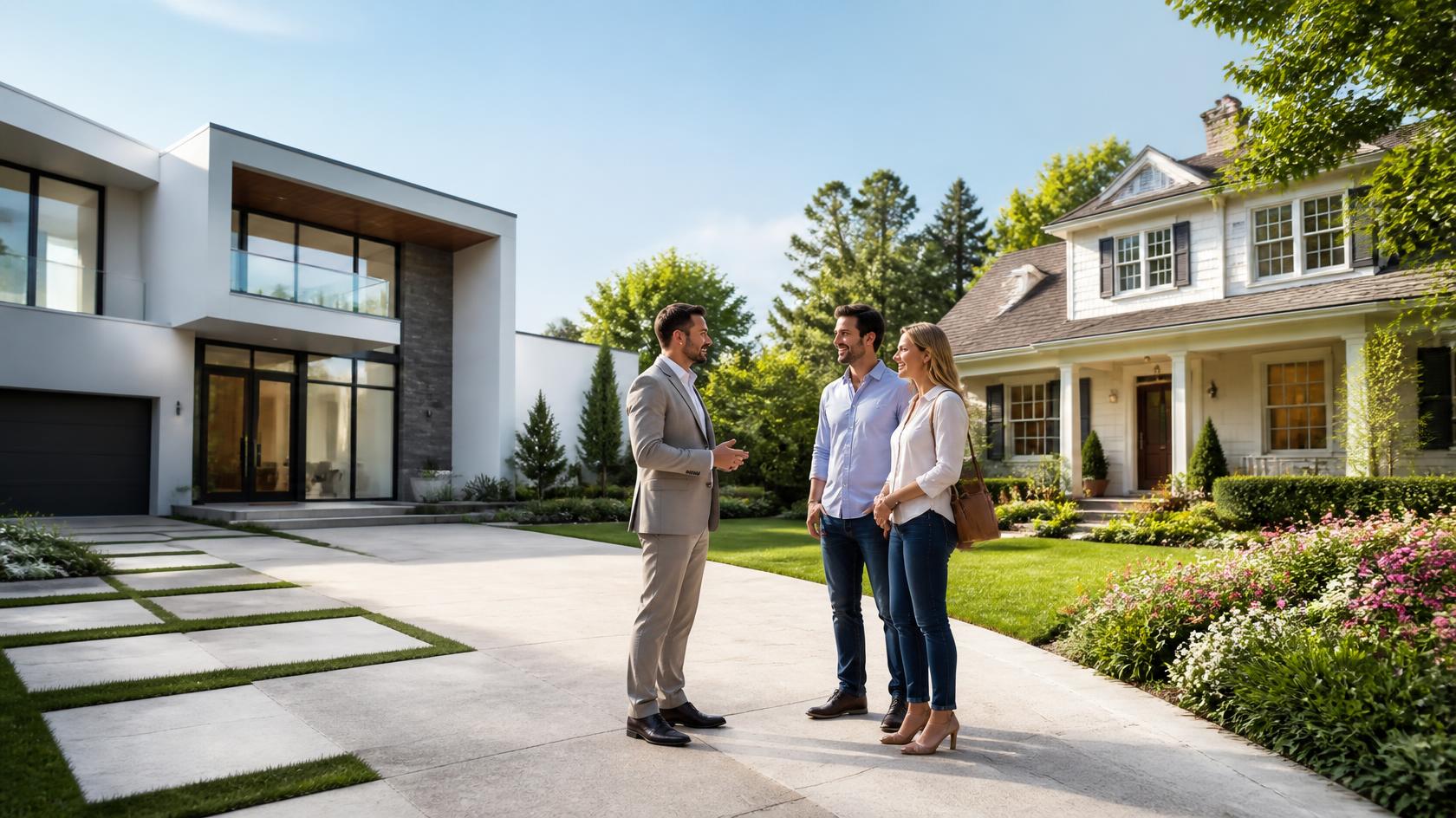
The Benefits of Buying a Newly Built Home vs. an Existing Home
One of the biggest decisions homebuyers face is whether to purchase a newly built home or an existing property. Both options offer unique advantages, and the right choice depends on your budget, lifestyle, long-term goals, and personal preferences.
Some buyers are drawn to the appeal of a brand-new home with modern finishes, energy-efficient systems, and customizable features. Others appreciate the character, mature landscaping, and established neighborhoods that often come with existing homes.
There is no universal answer to which option is better. Instead, understanding the strengths and potential drawbacks of each can help you make a confident decision that aligns with your needs.
Whether you're purchasing your first home, upgrading to a larger property, or relocating to a new community, this guide will help you compare newly built homes and existing homes from every important angle.
Understanding the Difference
A newly built home is a property that has recently been constructed and has typically never been occupied.
An existing home is a property that has had one or more previous owners and may vary in age, style, and condition.
Both types of homes can provide excellent opportunities depending on what you're looking for.
Advantages of Buying a Newly Built Home
Many buyers choose new construction because of the convenience and modern features it offers.
Some of the biggest benefits include:
Brand-new appliances
Modern floor plans
Updated building materials
Energy-efficient systems
Smart home technology
Lower maintenance requirements
Builder warranties
Because everything is new, buyers often spend less on repairs during the first several years of ownership.
Energy Efficiency Saves Money
One of the most attractive features of newly built homes is improved energy efficiency.
Modern homes are often constructed with:
High-performance insulation
Energy-efficient windows
Advanced HVAC systems
LED lighting
Energy-saving appliances
These features can reduce monthly utility bills while creating a more comfortable living environment.
Customization Opportunities
Depending on the stage of construction, buyers may have the opportunity to personalize certain aspects of their home.
Common customization options include:
Flooring
Cabinet finishes
Countertops
Paint colors
Lighting fixtures
Kitchen layouts
Personalization allows buyers to create a home that reflects their style before moving in.
Fewer Immediate Repairs
Since every component is brand new, newly built homes generally require less maintenance during the early years.
Homeowners are less likely to encounter issues involving:
Roofing
Plumbing
Electrical systems
Heating and cooling equipment
Appliances
This can provide peace of mind, particularly for first-time buyers.
Benefits of Buying an Existing Home
Existing homes continue to attract buyers for many excellent reasons.
They often provide:
Established neighborhoods
Mature trees and landscaping
Larger lot sizes
Unique architectural styles
Proven community character
Immediate availability
Many buyers appreciate the charm and personality that older homes offer.
More Established Communities
Existing homes are frequently located in neighborhoods that have developed over many years.
These communities often include:
Mature parks
Local businesses
Schools
Walking trails
Public transportation
Community events
Established neighborhoods can provide a strong sense of belonging from the very beginning.
Larger Lots and Outdoor Space
Many older neighborhoods were designed with larger lots than some modern developments.
This may provide:
Bigger backyards
Mature gardens
Additional privacy
More outdoor entertainment space
For buyers who value outdoor living, this can be an important advantage.
Character and Architectural Style
Unlike many newer developments that feature similar designs, existing homes often showcase distinctive architectural styles.
You may find:
Historic details
Hardwood flooring
Decorative trim
Unique fireplaces
Custom craftsmanship
Original brickwork
These features create personality that many buyers find difficult to replicate.
Potential Renovation Opportunities
Some buyers enjoy updating an existing home to match their preferences.
Renovation projects may include:
Kitchen remodeling
Bathroom upgrades
Flooring replacement
Landscaping improvements
Interior painting
Making gradual improvements allows homeowners to increase both comfort and property value over time.
Factors to Consider Before Choosing
Every buyer should evaluate several important factors before making a decision.
Consider your:
Budget
Lifestyle
Desired location
Maintenance expectations
Timeline
Long-term plans
Your priorities should guide the decision more than current market trends.
Comparing Overall Costs
The purchase price isn't the only expense to consider.
Evaluate:
Utility costs
Maintenance expenses
Homeowners association fees
Insurance
Property taxes
Future renovations
Sometimes a less expensive existing home may require more maintenance, while a newly built home may cost more initially but require fewer repairs.
Think About Resale Value
Whether you plan to stay for five years or twenty, future resale value should always be considered.
Homes located in desirable neighborhoods with strong local economies and quality schools often perform well regardless of whether they're newly built or existing properties.
Buying in a location with long-term growth potential can help protect your investment.
Work with an Experienced Real Estate Professional
Choosing between a new construction home and an existing property can feel overwhelming without expert guidance.
A knowledgeable real estate professional can help you:
Compare available properties
Evaluate neighborhoods
Understand builder warranties
Analyze market values
Negotiate favorable terms
Make informed decisions
Professional guidance helps ensure that your purchase aligns with both your financial goals and lifestyle.
Frequently Asked Questions
Is a newly built home always more expensive?
Not necessarily. Pricing varies depending on location, builder, demand, and market conditions.
Do existing homes require more maintenance?
Older homes may require more maintenance, but well-maintained properties can provide excellent value and reliability.
Which option has better resale value?
Both newly built and existing homes can appreciate over time when located in desirable neighborhoods with strong market demand.
Should first-time buyers choose a newly built home?
It depends on individual priorities. Some first-time buyers appreciate the lower maintenance of new homes, while others prefer the affordability and character of existing properties.
Conclusion
Both newly built homes and existing homes offer valuable advantages, and there is no one-size-fits-all answer. New construction provides modern designs, energy efficiency, customization opportunities, and reduced maintenance, while existing homes offer established communities, unique character, mature landscaping, and proven neighborhood appeal.
The right decision ultimately depends on your lifestyle, financial goals, and long-term plans. By carefully comparing your options and considering both immediate needs and future value, you can confidently choose a home that supports your goals for years to come.
At Elijah Prime Homes, we're dedicated to helping buyers explore every available option with confidence. Whether you're searching for a newly built home with modern features or an existing property full of charm and character, our experienced team is here to provide expert guidance and personalized service throughout every stage of your home-buying journey.
