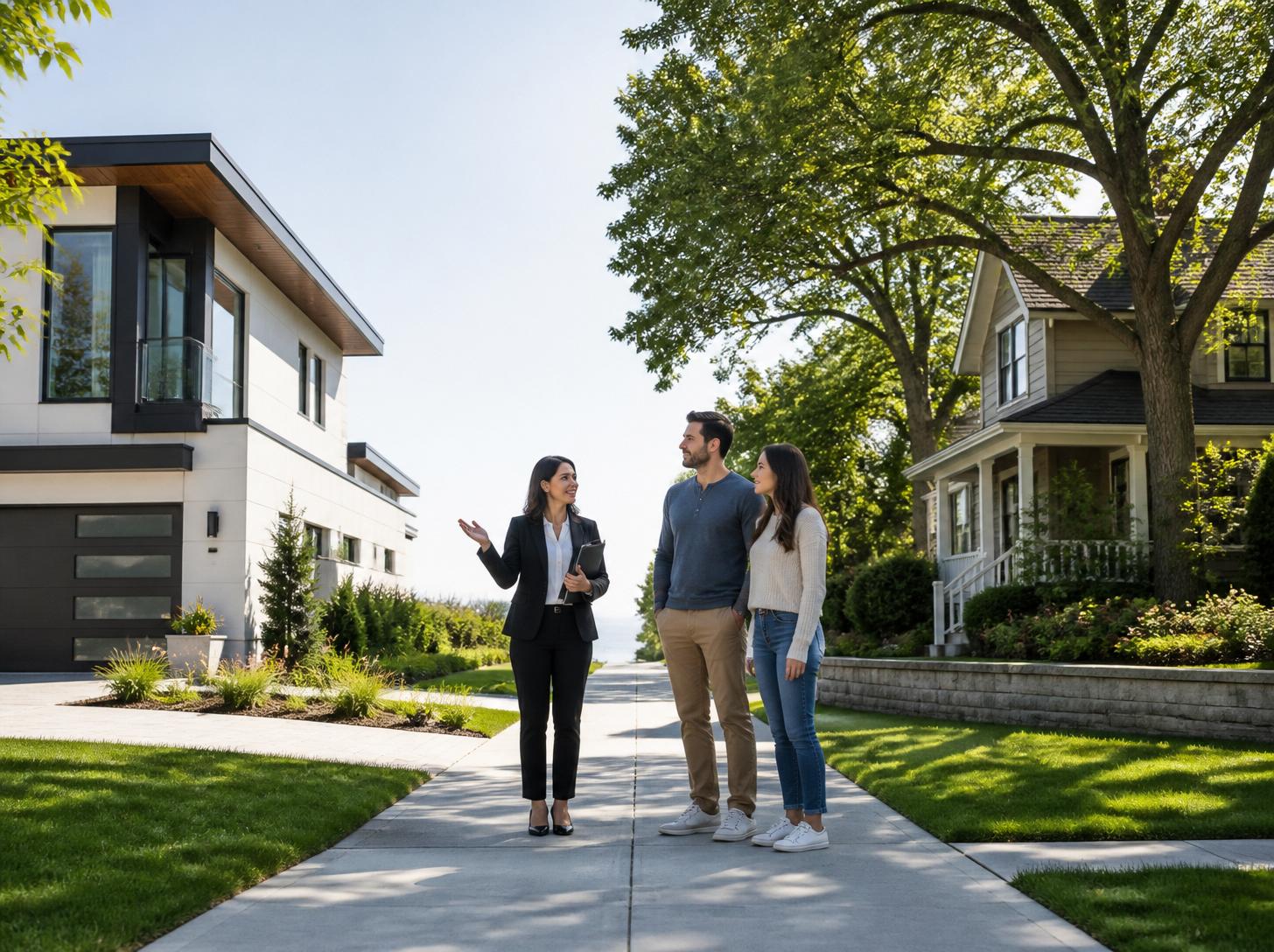
Should You Buy a New Construction Home or an Existing Home?
One of the biggest decisions homebuyers face is whether to purchase a brand-new construction home or an existing property. Both options offer unique advantages, and the right choice depends on your budget, lifestyle, priorities, and long-term plans.
Some buyers are drawn to the appeal of a newly built home with modern designs, energy-efficient features, and minimal maintenance. Others prefer established neighborhoods, mature landscaping, and the character that older homes often provide.
There is no universal answer because every buyer's needs are different. Understanding the advantages and challenges of each option will help you make a well-informed decision that supports both your lifestyle and your financial goals.
This guide explores the key differences between new construction homes and existing homes to help you determine which is the better fit for you.
What Is a New Construction Home?
A new construction home is a property that has recently been built and has not previously been occupied.
Some buyers purchase homes that are already completed, while others buy during the construction phase, allowing them to choose certain finishes, flooring, cabinetry, paint colors, and upgrades before the home is finished.
Many new developments also include planned communities with shared amenities and modern infrastructure.
What Is an Existing Home?
An existing home is any property that has previously been owned or occupied.
These homes range from a few years old to several decades old and are often located in established neighborhoods with developed landscaping, schools, shopping centers, and community services.
Existing homes come in many architectural styles and may include features that are difficult to find in newly built properties.
Benefits of Buying a New Construction Home
Many buyers appreciate the convenience and modern features that new homes provide.
Some of the biggest advantages include:
Modern Floor Plans
New homes are often designed to meet today's lifestyles.
Common features include:
Open-concept living areas
Larger kitchens
Walk-in closets
Spacious primary suites
Home offices
Flexible living spaces
These layouts are designed to maximize comfort and functionality.
Energy Efficiency
Modern construction standards typically include energy-saving features that can reduce monthly utility costs.
Examples include:
Energy-efficient windows
Improved insulation
High-efficiency HVAC systems
LED lighting
Smart thermostats
Energy-efficient appliances
These upgrades often provide long-term savings while supporting a more sustainable lifestyle.
Lower Maintenance Costs
Everything in a newly built home is new.
That means buyers are generally less likely to face immediate expenses related to:
Roofing
Plumbing
Electrical systems
Heating and cooling equipment
Flooring
Appliances
While regular maintenance is still important, major repairs are often less common during the early years of ownership.
Builder Warranties
Many newly constructed homes include warranties covering specific components of the property for a certain period.
These warranties may provide additional peace of mind should covered issues arise after moving in.
Benefits of Buying an Existing Home
Existing homes continue to attract many buyers because of their location, character, and value.
Some advantages include:
Established Neighborhoods
Older communities often provide:
Mature trees
Developed landscaping
Larger lots
Nearby schools
Shopping centers
Parks
Community amenities
Many buyers appreciate moving into neighborhoods with an established sense of community.
More Character
Existing homes often feature unique architectural details that newer homes may not offer.
Examples include:
Hardwood flooring
Decorative trim
Brick fireplaces
Custom craftsmanship
Distinctive layouts
For buyers seeking charm and personality, older homes can be especially appealing.
Immediate Availability
Unlike homes still under construction, existing homes are typically ready for occupancy soon after closing.
This makes them an excellent option for buyers working within a specific timeline.
Greater Room for Negotiation
Depending on market conditions, buyers may have more opportunities to negotiate:
Purchase price
Repairs
Closing costs
Move-in dates
Negotiation opportunities vary but can create meaningful savings.
Potential Challenges of New Construction
Although new homes offer many benefits, buyers should also consider potential drawbacks.
These may include:
Higher purchase prices
Additional upgrade costs
Construction delays
Limited landscaping during early development
Growing communities that may still be under construction
Understanding these factors helps buyers set realistic expectations.
Potential Challenges of Existing Homes
Existing homes also come with considerations.
Depending on the property's age and condition, buyers may encounter:
Older mechanical systems
Roof replacement needs
Plumbing repairs
Electrical upgrades
Less energy efficiency
Ongoing maintenance
A professional home inspection helps identify these issues before closing.
Comparing Long-Term Costs
Purchase price is only one part of the financial picture.
Consider long-term expenses such as:
Utility bills
Maintenance
Repairs
Insurance
Property taxes
Renovations
While new homes may require fewer repairs initially, existing homes sometimes offer lower purchase prices or larger lots.
Evaluating total ownership costs provides a more accurate comparison.
Which Option Is Better for First-Time Buyers?
Both options can work well for first-time buyers.
A new construction home may appeal to buyers seeking:
Minimal maintenance
Modern layouts
Energy savings
Builder warranties
An existing home may be ideal for buyers looking for:
Established neighborhoods
Lower purchase prices
Larger properties
Unique architectural character
The best choice depends on your personal priorities and financial goals.
Questions to Ask Before Deciding
Before choosing between new construction and an existing home, ask yourself:
Which option fits my budget?
How important are modern features?
Am I comfortable handling future maintenance?
Do I prefer an established neighborhood?
How soon do I need to move?
Which property offers stronger long-term value?
These questions help clarify which option aligns with your lifestyle.
Tips for Making the Right Choice
When comparing homes:
Visit both new developments and established neighborhoods.
Compare long-term ownership costs.
Schedule professional inspections when purchasing existing homes.
Review builder warranties carefully.
Consider future resale value.
Work with an experienced real estate professional.
A thoughtful comparison often leads to greater confidence in your final decision.
Frequently Asked Questions
Are new construction homes more expensive?
They can be, especially when buyers select optional upgrades. However, pricing varies depending on the market and location.
Do existing homes require more maintenance?
Older homes may require additional maintenance or repairs, but a thorough inspection helps identify potential concerns before purchase.
Which option offers better resale value?
Both can provide strong resale value depending on location, market conditions, and ongoing maintenance.
Can I customize a new construction home?
In many cases, yes. Buyers purchasing during construction may have opportunities to choose finishes, flooring, cabinetry, paint colors, and other design features.
Conclusion
Choosing between a new construction home and an existing home is a personal decision that depends on your priorities, budget, and long-term plans. New homes offer modern features, energy efficiency, and lower maintenance, while existing homes provide established neighborhoods, unique character, and often greater flexibility during negotiations.
Taking the time to compare both options carefully allows you to make an informed decision that supports your lifestyle today while protecting your investment for the future. Every buyer's situation is different, and understanding the advantages of each option is the first step toward finding the right home.
Whether you're considering a newly built home or an established property, Elijah Prime Homes is here to help you explore your options with confidence. Our experienced team provides personalized guidance, local market expertise, and dedicated support to help you find a home that meets your needs and fits your vision for the future.
