How to Increase Your Home's Value Before Selling: A Complete Guide for Homeowners
Selling your home is more than simply placing it on the market and hoping for the best offer. Today's buyers have access to countless online listings, virtual tours, neighborhood data, and pricing comparisons. Within minutes, they can compare your property to dozens of similar homes in the same area. That means your home needs to stand out—not only in photos but also during in-person showings.
Many homeowners believe increasing a property's value requires expensive renovations or complete remodeling projects. While major upgrades can certainly add value, they are not always necessary. In fact, some of the most effective improvements are surprisingly affordable and focus on presentation, maintenance, functionality, and buyer appeal.
The goal isn't simply to spend money before selling. The goal is to make smart improvements that help buyers see your home as move-in ready, well cared for, and worth the asking price. When done correctly, these improvements can increase buyer interest, reduce the number of days your home stays on the market, encourage stronger offers, and even create multiple-offer situations.
Whether you're planning to sell in the next few weeks or preparing several months in advance, this guide will help you understand which improvements truly matter and which upgrades are unlikely to provide a worthwhile return on investment.
Why Increasing Your Home's Value Matters
Every seller wants to achieve the highest possible selling price, but buyers are willing to pay more only when they perceive greater value.
A well-prepared property offers several advantages:
Attracts more qualified buyers
Creates stronger first impressions
Generates more online interest
Reduces time on the market
Encourages competitive offers
Builds buyer confidence
Supports stronger negotiations
May reduce requests for repair credits
In competitive markets, small differences in presentation can make a significant impact on final sale prices.
Start with a Professional Home Evaluation
Before spending money on improvements, it's important to understand your home's current market position.
An experienced real estate professional can evaluate:
Comparable home sales
Neighborhood trends
Buyer expectations
Features buyers value most
Improvements that offer the best return
This evaluation prevents unnecessary spending on projects that may not increase your home's market value.
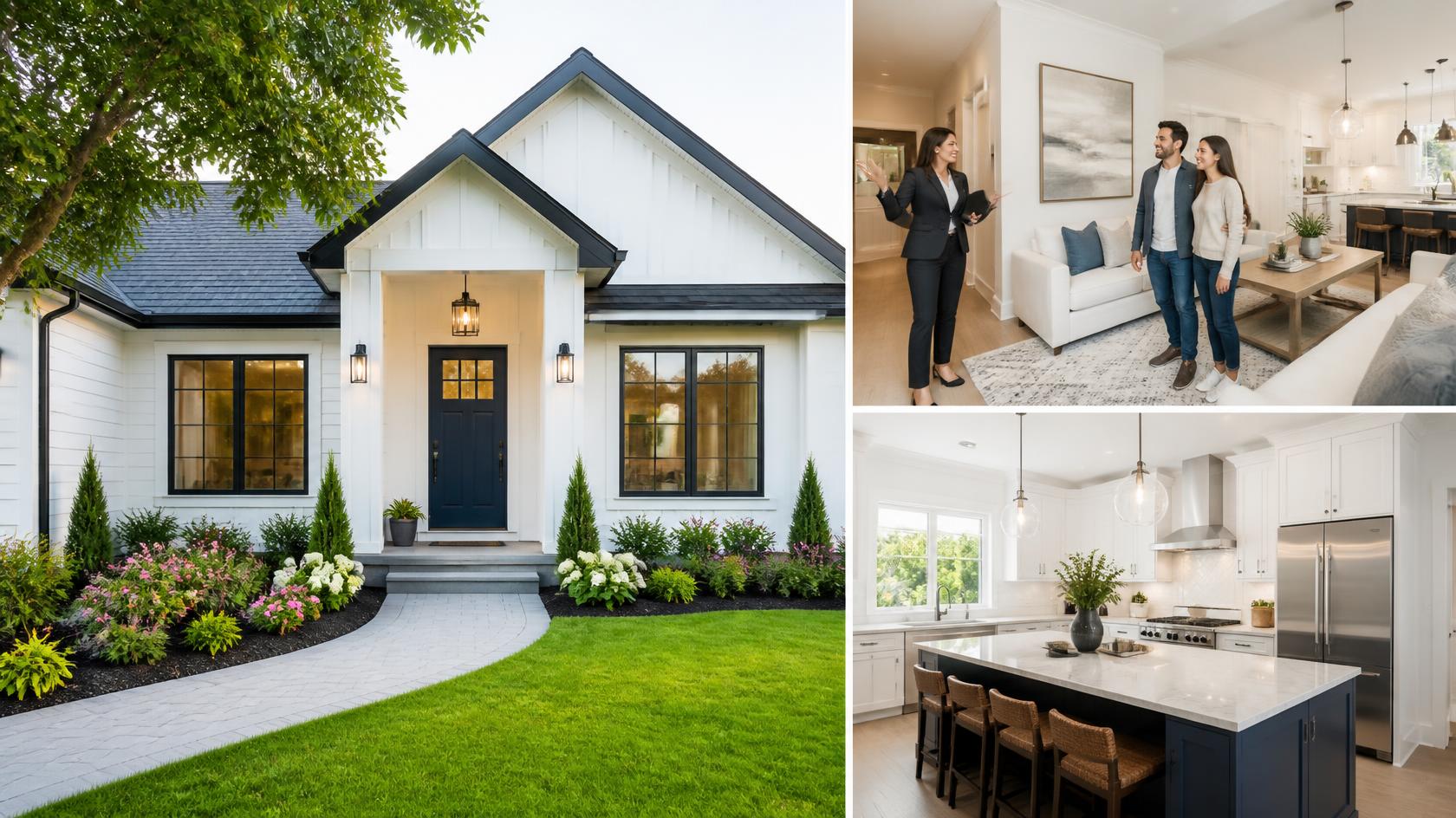
Improve Your Home's Curb Appeal
First impressions begin long before buyers step inside.
Research consistently shows that buyers often form opinions within the first few minutes of arriving at a property. If the exterior looks neglected, many buyers subconsciously assume the interior has been neglected as well.
Simple curb appeal improvements include:
Mowing and edging the lawn
Trimming trees and shrubs
Planting colorful seasonal flowers
Pressure washing sidewalks and driveways
Cleaning gutters
Painting or refinishing the front door
Replacing outdated house numbers
Installing modern exterior lighting
Adding attractive potted plants
These relatively inexpensive improvements create an inviting entrance that immediately builds buyer confidence.
Deep Clean Every Corner
Nothing communicates proper homeownership better than cleanliness.
Professional cleaning often provides one of the highest returns for the lowest investment.
Pay close attention to:
Windows inside and out
Ceiling fans
Baseboards
Cabinets
Kitchen appliances
Bathroom grout
Light fixtures
Carpets
Hardwood floors
A spotless home photographs better, smells fresher, and creates a stronger emotional response during showings.
Declutter to Make Rooms Feel Larger
One of the biggest mistakes sellers make is leaving too much furniture and personal belongings inside the home.
Clutter makes rooms appear:
Smaller
Darker
Less organized
Less functional
Consider removing:
Oversized furniture
Extra chairs
Personal collections
Excess decorations
Bulky storage units
Unnecessary kitchen appliances
The goal is to showcase the home's space rather than its contents.
Refresh Interior Paint
Fresh paint is one of the most cost-effective improvements you can make before listing your property.
Neutral colors appeal to the widest audience because they allow buyers to imagine adding their own style.
Popular neutral shades include:
Soft white
Light gray
Warm beige
Greige
Cream
Avoid bold accent colors that may distract buyers or make rooms feel smaller.
Complete Minor Repairs
Small maintenance issues may seem insignificant, but buyers often notice them immediately.
Repair items such as:
Leaky faucets
Loose cabinet handles
Cracked tiles
Chipped paint
Broken door handles
Squeaky doors
Running toilets
Missing caulking
Damaged screens
Addressing these details demonstrates that the property has been properly maintained over time.
Modernize the Kitchen Without a Full Remodel
The kitchen remains one of the most influential spaces for homebuyers.
Fortunately, you don't always need a complete renovation.
Affordable updates include:
Painting cabinets
Replacing cabinet hardware
Installing modern light fixtures
Updating faucets
Replacing outdated backsplashes
Adding under-cabinet lighting
Installing new bar stools
These improvements can dramatically improve the room's appearance while keeping costs manageable.
Upgrade Bathrooms
Bathrooms are another area buyers evaluate carefully.
Simple improvements include:
New mirrors
Updated faucets
Fresh towels
Modern lighting
New shower curtains
Re-caulking tubs
Replacing worn fixtures
A clean, modern bathroom creates the impression of a well-maintained home.
Maximize Natural Light
Natural light makes homes feel:
Larger
Cleaner
More welcoming
More luxurious
Increase brightness by:
Cleaning windows
Opening blinds
Replacing heavy curtains
Trimming outdoor landscaping
Using brighter LED bulbs where necessary
Light-filled homes consistently attract stronger buyer interest.
Stage Your Home Strategically
Home staging allows buyers to visualize living in the space.
Professional staging focuses on:
Furniture placement
Room functionality
Color balance
Flow between rooms
Decorative accents
Even partial staging can significantly improve listing photos and showing experiences.
Improve Energy Efficiency
Today's buyers increasingly appreciate energy-efficient features.
Simple upgrades include:
Smart thermostats
LED lighting
Weather stripping
Programmable irrigation
Energy-efficient appliances
Improved insulation
These features not only reduce utility costs but also make your home more attractive to environmentally conscious buyers.
Don't Forget Outdoor Living Spaces
Outdoor areas have become major selling features.
Prepare spaces such as:
Patios
Decks
Balconies
Backyards
Add:
Outdoor seating
Clean cushions
Decorative plants
String lighting
Fresh mulch
Creating an inviting outdoor environment expands the home's usable living space.
Avoid Over-Improving
While upgrades add value, it's important not to exceed neighborhood expectations.
For example:
Installing luxury finishes in an entry-level neighborhood may not produce a matching increase in selling price.
Instead, focus on improvements that align with surrounding homes and buyer expectations.
Price Your Home Correctly
Even a beautifully upgraded property can struggle if it's priced unrealistically.
A competitive pricing strategy:
Generates early interest
Increases showing activity
Encourages multiple offers
Reduces market time
Working with an experienced local real estate professional ensures your pricing reflects current market conditions.
Frequently Asked Questions
Which home improvement offers the highest return on investment?
Cleaning, painting, curb appeal improvements, and kitchen updates often provide some of the strongest returns because they significantly improve buyer perception without requiring major investments.
Should I renovate before selling?
Not always. Many cosmetic updates deliver better value than expensive remodeling projects. A real estate professional can help determine which improvements are worthwhile.
Is professional staging necessary?
While not mandatory, professionally staged homes often attract more interest, photograph better, and may sell faster than vacant or cluttered homes.
How far in advance should I prepare my home for sale?
Ideally, begin preparing two to three months before listing. This allows time to complete repairs, updates, staging, and professional photography without feeling rushed.
Does landscaping really affect home value?
Yes. Attractive landscaping creates a positive first impression and contributes to stronger curb appeal, which can influence buyer interest before they even enter the home.
Should I replace old appliances before selling?
If the appliances are outdated but still functional, replacing them isn't always necessary. However, matching stainless steel or energy-efficient appliances can improve the kitchen's overall appeal in certain markets.
Conclusion
Increasing your home's value before selling doesn't require an unlimited renovation budget. The most successful sellers focus on thoughtful improvements that enhance presentation, functionality, and buyer confidence. From improving curb appeal and completing minor repairs to refreshing paint, maximizing natural light, and staging key living spaces, every detail contributes to creating a memorable first impression.
A well-prepared home not only attracts more buyers but also strengthens your negotiating position, helping you achieve the best possible outcome. Strategic improvements demonstrate pride of ownership and reassure buyers that the property has been cared for, making them more comfortable submitting competitive offers.
At Elijah Prime Homes, we understand that every property has unique strengths. Our experienced team works closely with homeowners to identify the improvements that deliver the greatest value, develop effective pricing strategies, and market each home professionally to attract qualified buyers. Whether you're planning to sell next month or next year, we're here to help you maximize your investment and achieve a successful sale with confidence.
