Home Staging Tips That Help Sell Your House Faster
Selling a home is more than putting a "For Sale" sign in the yard and waiting for offers to come in. Today's buyers have countless options available, and first impressions often determine whether they schedule a second viewing or move on to another property. That's why home staging has become one of the most effective strategies for attracting serious buyers and achieving a faster sale.
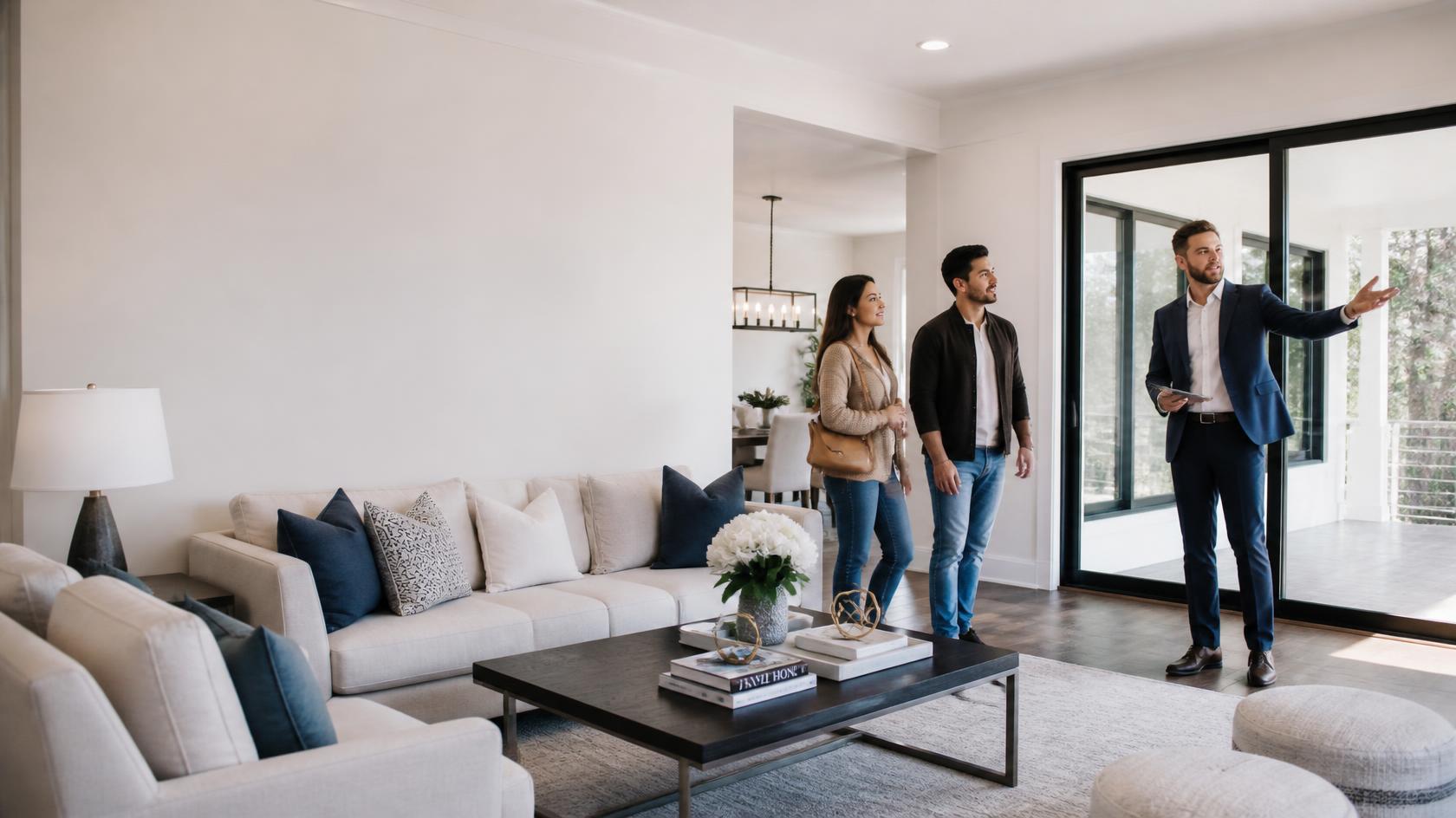
Home staging is the process of preparing and presenting a property in a way that highlights its strengths, minimizes distractions, and allows buyers to imagine themselves living there. It isn't about hiding flaws or making expensive renovations. Instead, it's about showcasing your home's full potential by creating a clean, welcoming, and appealing environment.
Whether you're selling a cozy starter home, a family residence, or a luxury property, effective staging can help your listing stand out, increase buyer interest, and potentially lead to stronger offers.
What Is Home Staging?
Home staging involves arranging, decorating, and preparing a property to appeal to the widest possible range of buyers.
Unlike interior decorating, which reflects the homeowner's personal style, staging focuses on creating a neutral and inviting space that allows buyers to picture themselves making the house their own.
The goal is simple: make your property look spacious, well-maintained, and move-in ready.
Why Home Staging Matters
Most buyers begin their home search online, where photographs often determine whether they book a showing.
A professionally staged home offers several advantages:
Creates a strong first impression
Makes online listing photos more attractive
Highlights the home's best features
Helps rooms appear larger
Encourages emotional connections
Increases buyer confidence
May reduce time on the market
A staged home tells buyers that the property has been cared for, making them more comfortable moving forward.
Start with a Thorough Deep Clean
No amount of staging can compensate for a home that feels dirty.
Before anything else, thoroughly clean every room, paying special attention to:
Floors
Windows
Kitchens
Bathrooms
Light fixtures
Baseboards
Ceiling fans
Appliances
A spotless home immediately communicates pride of ownership.
Declutter Every Room
Clutter makes spaces feel smaller and distracts buyers from the home's features.
Remove unnecessary items such as:
Extra furniture
Personal collections
Excess decorations
Children's toys
Unused appliances
Overflowing bookshelves
Less clutter creates a more open and inviting atmosphere.
Depersonalize the Space
Buyers want to imagine their own family living in the home.
Remove highly personal items including:
Family photographs
Personalized artwork
Awards
Souvenirs
Customized décor
Neutral spaces appeal to a wider audience and help buyers form an emotional connection.
Rearrange Furniture for Better Flow
Furniture placement has a major impact on how spacious a room feels.
Arrange furniture to:
Maximize walking space
Highlight focal points
Improve traffic flow
Showcase room functionality
In many cases, removing a few large pieces of furniture can make a room feel significantly larger.
Maximize Natural Light
Bright, well-lit homes appear more welcoming.
Before every showing:
Open curtains and blinds
Clean windows
Replace burned-out bulbs
Turn on lights in darker rooms
Natural light helps create a warm and cheerful environment that buyers appreciate.
Refresh Walls with Neutral Colors
Bold colors reflect personal taste, which may not appeal to every buyer.
Neutral paint colors:
Brighten rooms
Make spaces appear larger
Complement different furniture styles
Create a clean, modern appearance
Fresh paint is one of the most affordable improvements with a high visual impact.
Improve Curb Appeal
The exterior sets expectations before buyers even step inside.
Simple improvements include:
Mowing the lawn
Trimming shrubs
Adding seasonal flowers
Cleaning walkways
Washing windows
Painting the front door if needed
An attractive entrance encourages buyers to explore the rest of the property with enthusiasm.
Highlight Your Home's Best Features
Every home has features that deserve attention.
These might include:
Hardwood flooring
Large windows
Fireplace
Open-concept layout
Updated kitchen
Spacious backyard
Walk-in closets
Arrange furniture and décor to naturally draw attention to these selling points.
Add Simple Decorative Touches
Small finishing touches help create a welcoming atmosphere.
Consider adding:
Fresh flowers
Decorative pillows
Soft throws
Tasteful artwork
Fresh towels in bathrooms
A bowl of fresh fruit in the kitchen
Avoid overdecorating, as simplicity often has the greatest impact.
Eliminate Unpleasant Odors
One of the quickest ways to lose buyer interest is with lingering odors.
Address:
Pet smells
Smoke
Cooking odors
Damp areas
Rather than masking odors with strong air fresheners, identify and eliminate the source.
A clean, fresh-smelling home leaves a much stronger impression.
Don't Forget Outdoor Living Spaces
If your property includes a patio, deck, or backyard, stage these areas as well.
Simple additions like outdoor seating, potted plants, or a clean dining table can help buyers imagine enjoying the space with family and friends.
Outdoor living areas have become increasingly important for many buyers.
Prepare for Every Showing
Once your home is listed, keep it ready for viewings at all times.
Before buyers arrive:
Make all beds
Store dishes
Empty trash bins
Turn on lights
Open curtains
Secure valuables
A consistently well-presented home helps maintain buyer interest throughout the selling process.
Common Home Staging Mistakes to Avoid
Many homeowners unintentionally reduce their home's appeal by making avoidable mistakes.
These include:
Leaving too much personal décor
Ignoring minor repairs
Overcrowding rooms with furniture
Poor lighting
Neglecting curb appeal
Forgetting outdoor spaces
Using overpowering fragrances
Avoiding these issues helps buyers focus on the property's strengths.
Frequently Asked Questions
Is home staging worth the investment?
Yes. Even simple staging improvements can make a home more attractive, increase buyer interest, and help reduce time on the market.
Do I need to hire a professional home stager?
Not always. Many homeowners can achieve excellent results by decluttering, cleaning thoroughly, rearranging furniture, and following proven staging techniques.
Should every room be staged?
Ideally, yes. Every room should have a clear purpose and appear clean, organized, and welcoming.
Can staging increase my home's selling price?
While results vary, professionally presented homes often attract more buyers and may receive stronger offers due to increased demand.
Conclusion
Home staging is one of the most effective ways to make your property stand out in today's competitive real estate market. By creating a clean, neutral, and inviting environment, you help buyers focus on the home's potential rather than its imperfections. Small improvements such as decluttering, enhancing curb appeal, maximizing natural light, and arranging furniture strategically can make a significant difference in how quickly your home sells.
The goal of staging is not to create a picture-perfect home but to create a space where buyers can easily imagine building their future. A well-presented property often generates more interest, more showings, and stronger offers.
At Elijah Prime Homes, we help homeowners prepare their properties for success by combining professional marketing, local market expertise, and proven selling strategies. Whether you're planning to sell in the near future or simply want to maximize your home's value, our experienced team is ready to guide you every step of the way.
